
What Is the Difference Between Contested and Uncontested Divorce in California?
What Is the Difference Between Contested and Uncontested Divorce in California?
Deciding to end a marriage can bring significant legal, financial, and personal changes. One of the first distinctions to understand is whether a divorce will be contested or uncontested. While both ultimately result in the dissolution of a marriage, the path toward a final judgment can look very different depending on whether spouses agree on the major issues involved.
California is a no-fault divorce state, meaning a spouse does not need to prove wrongdoing by the other spouse to obtain a divorce. A spouse also cannot prevent a divorce simply by refusing to agree to it. However, disagreements about property, finances, support, or children can affect how the case proceeds.
At M.C. Law, P.C., we help individuals and families in Los Angeles understand their rights and navigate both contested and uncontested divorces. Knowing the differences between these two types of cases can help you better prepare for what may lie ahead.
What Is an Uncontested Divorce in California?
An uncontested divorce generally occurs when spouses agree on how all of the issues in their divorce will be resolved. Depending on the circumstances, this may include agreements concerning:
- Division of property and assets
- Responsibility for marital debts
- Child custody and parenting time
- Child support
- Spousal support
- Other financial or family-related matters
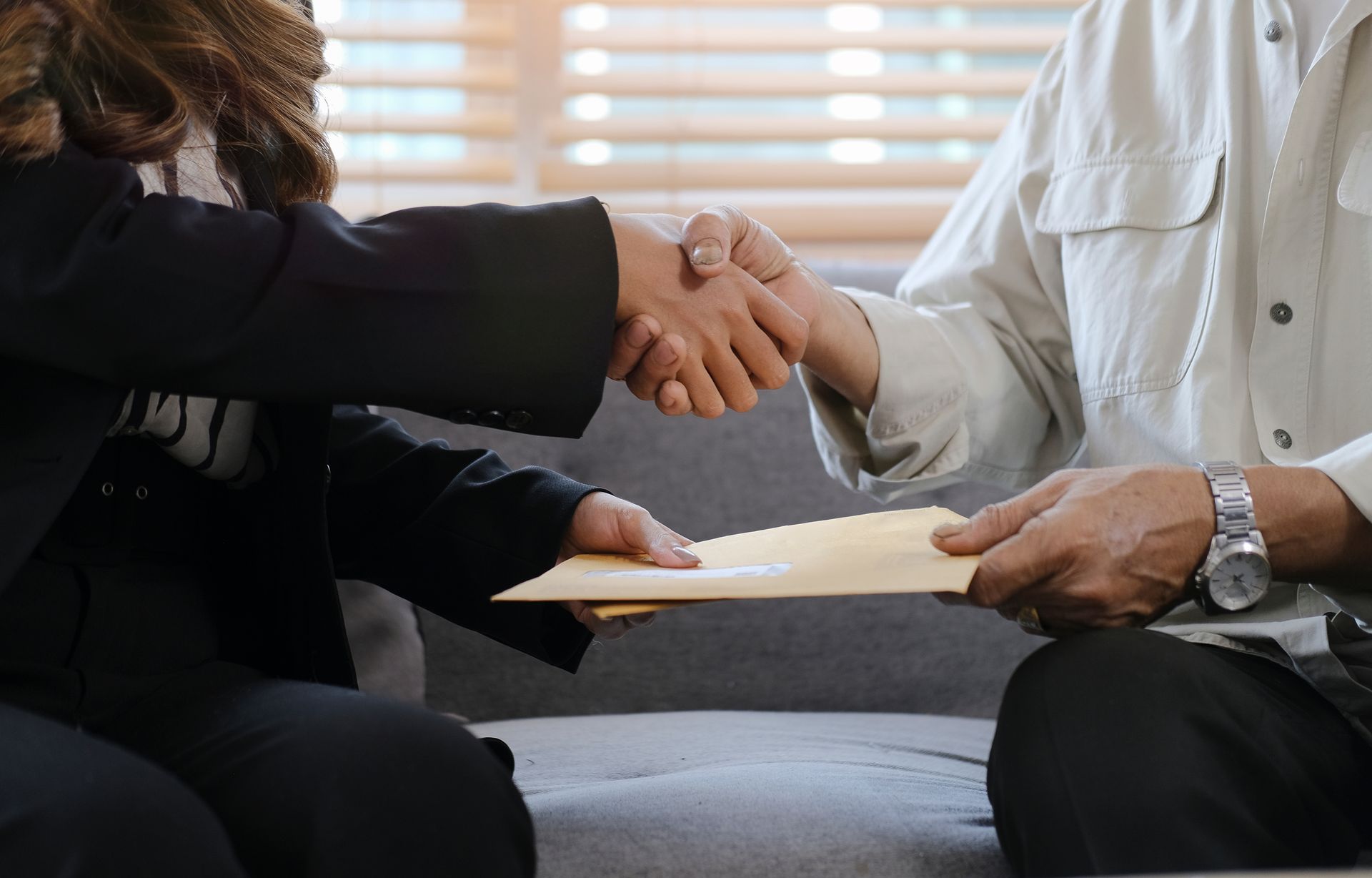
When spouses reach a complete written agreement, they can submit the necessary documents to the court for approval. California Courts explains that an uncontested case with a written agreement may be finalized without a court hearing once the necessary requirements have been satisfied.
An uncontested divorce does not necessarily mean that the spouses agreed on everything from the beginning. Couples may initially disagree but eventually reach a resolution through direct negotiations, mediation, or discussions between their attorneys. A contested case can therefore become uncontested if the spouses resolve their outstanding disagreements before trial.
Although an uncontested divorce can involve less court intervention, it is still important to carefully consider the terms of any proposed settlement. Decisions regarding property, support, and parenting arrangements can have lasting consequences. M.C. Law, P.C. can assist Los Angeles spouses with evaluating proposed agreements, completing the divorce process, and protecting their interests before a judgment becomes final.
What Is a Contested Divorce in California?
A divorce becomes contested when spouses cannot agree on one or more issues that must be resolved before the case can be completed. California court guidance distinguishes a contested case as one in which the spouses disagree about at least one issue requiring resolution.
Common disagreements may involve child custody, visitation, child support, spousal support, property division, debts, ownership of the family home, or other financial matters. Even when spouses agree that the marriage should end, disagreements about these issues can make the divorce contested.
A contested divorce may involve negotiations, mediation, hearings, discovery, financial disclosures, and other court procedures. If the spouses cannot ultimately resolve their disagreements, a judge may need to hear the evidence and make decisions regarding the unresolved issues.
This is one reason having legal representation can be particularly important when significant assets, children, support obligations, or complicated financial circumstances are involved. M.C. Law, P.C. works with clients to identify the issues in dispute, pursue appropriate resolutions, and advocate for their interests throughout the California divorce process.
What Issues Can Make a Divorce Contested?
Nearly any unresolved issue in a divorce can result in a contested case. Some of the most common areas of disagreement include property and debt division, child custody, parenting schedules, and financial support.
Property disputes can become particularly complicated when spouses own a home, business interests, retirement accounts, investments, or other significant assets. California divorce proceedings require spouses to address the division of their property and debts, and both sides generally must exchange financial information as part of the process.
Parents may also disagree about where their children will live, how parenting time will be divided, or how important decisions regarding their children will be made. Financial disagreements may involve child support or whether one spouse should receive spousal support.
At M.C. Law, P.C., we understand that no two divorces involve exactly the same circumstances. We help clients evaluate the legal and practical considerations surrounding these disputes while working toward resolutions that address their individual needs.
Is an Uncontested Divorce Faster Than a Contested Divorce?
An uncontested divorce can often proceed more efficiently because there are fewer disagreements for the court to resolve. A contested divorce may take longer when the spouses require negotiations, hearings, discovery, or a trial before reaching a final resolution.
However, California has a mandatory waiting period for divorce. According to California Courts, a divorce takes at least six months to become final. The waiting period applies even when spouses have reached an agreement.
The actual length of a divorce can vary significantly depending on the issues involved and how quickly the spouses can resolve them. Reaching agreements on disputed matters can reduce the amount of court involvement necessary, while ongoing disagreements can extend the process.
Can a Contested Divorce Become Uncontested?
Yes. Filing a contested divorce does not necessarily mean the case will ultimately go to trial. Spouses can continue negotiating throughout the divorce process and may reach an agreement before a judge needs to decide their disputes.
California courts specifically recognize that parties in a contested case may resolve their disagreements through negotiation, mediation, or another process. Once all issues have been resolved, the case can proceed as an uncontested matter.
M.C. Law, P.C. recognizes the value of reaching agreements when doing so appropriately protects a client's interests. The firm emphasizes pursuing settlement when possible while remaining prepared to advocate for clients when court intervention becomes necessary.
Do You Need a Lawyer for a Contested or Uncontested Divorce?
Whether a divorce is contested or uncontested, the decisions made during the process can affect your family and finances long after the marriage has legally ended. Even spouses who agree on most issues may benefit from understanding the legal consequences of their settlement before submitting it to the court.
When disagreements exist, having an attorney can be particularly valuable for addressing property division, custody, support, financial disclosures, and court procedures. Legal guidance can also help identify issues that may have been overlooked during initial settlement discussions.
M.C. Law, P.C. represents clients facing a range of family law matters in Los Angeles, including divorce, child custody and visitation, child support, and spousal support. Whether your divorce is relatively straightforward or involves significant disagreements, the firm can help you understand your options and move through the process with a clear strategy.
Speak With a Los Angeles Divorce Attorney at M.C. Law, P.C.
The difference between a contested and uncontested divorce often comes down to whether spouses can agree on all of the issues necessary to end their marriage. Even when a divorce begins with disagreements, negotiation and other forms of dispute resolution may provide opportunities to reach a settlement before trial.
If you are considering divorce or are already involved in a contested or uncontested divorce in Los Angeles, M.C. Law, P.C. can help you understand your rights and the steps ahead. Call M.C. Law, P.C. at 323-499-3361 to schedule a consultation and discuss your California divorce case.